Hari Shankar Singhania
Elastomer And Tyre Research Institute

Tyre Model Analysis

High-Precision Tyre Modal Analysis : SAE Standard

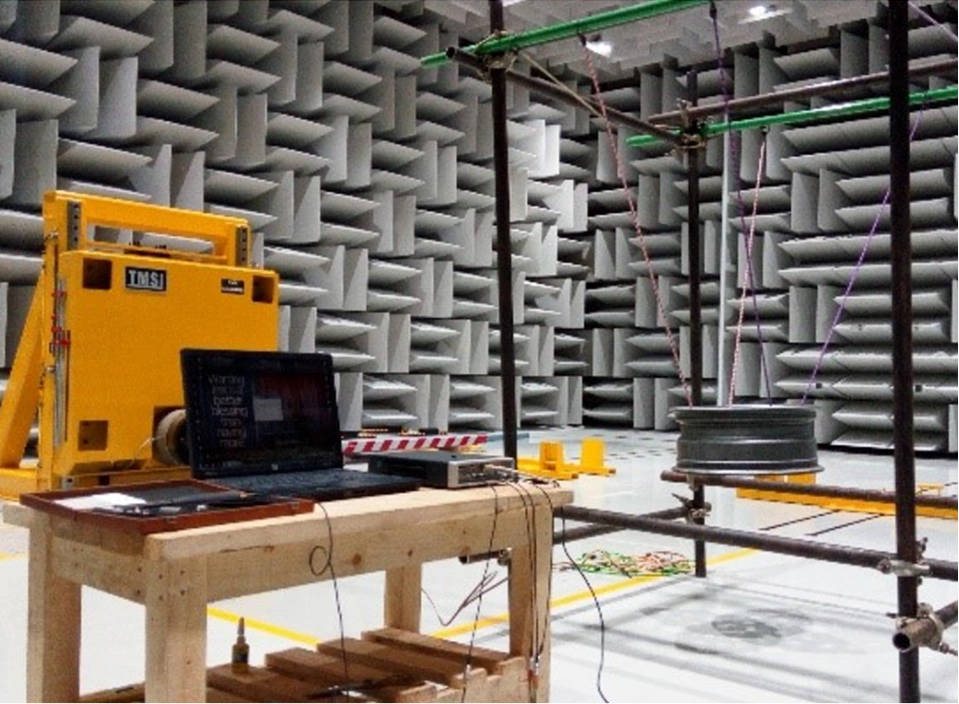
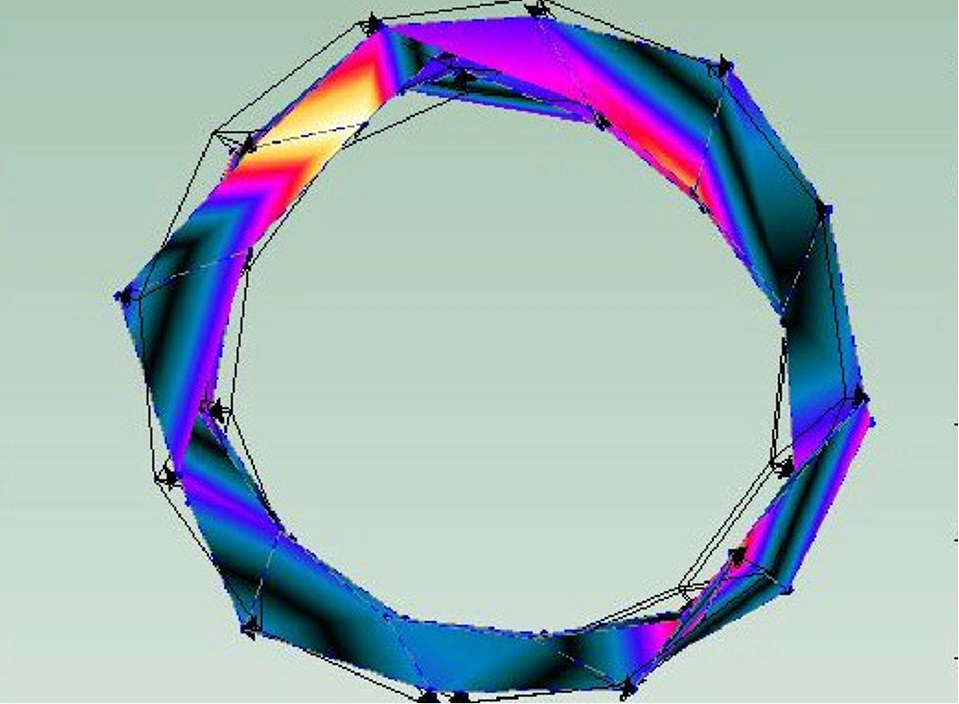
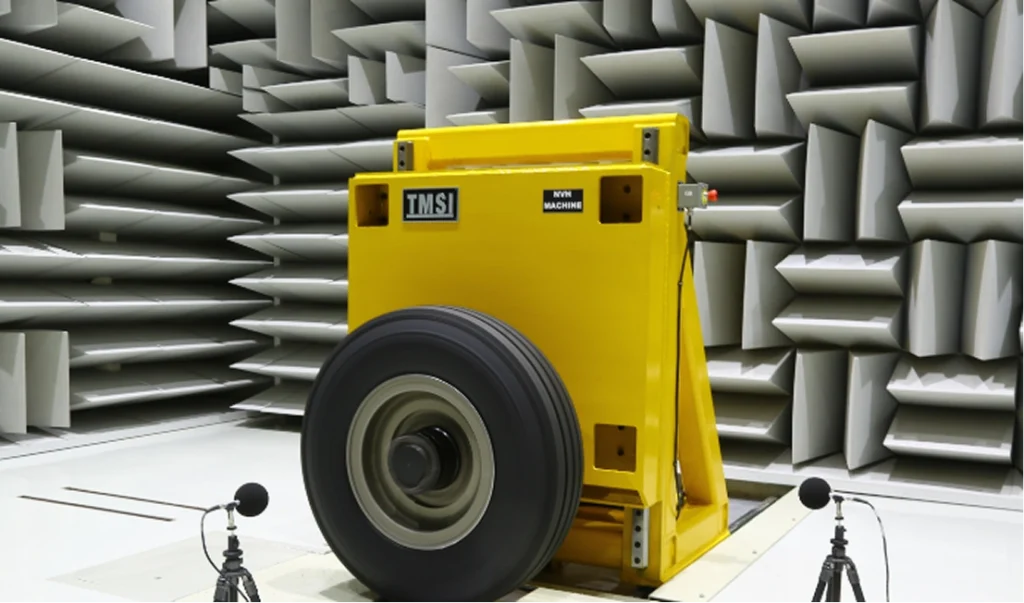
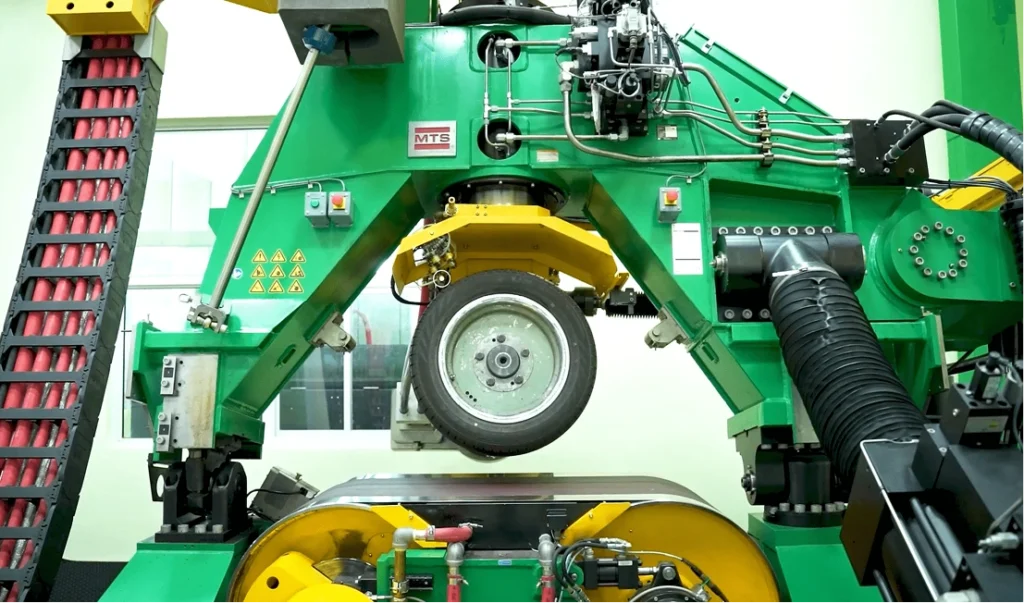
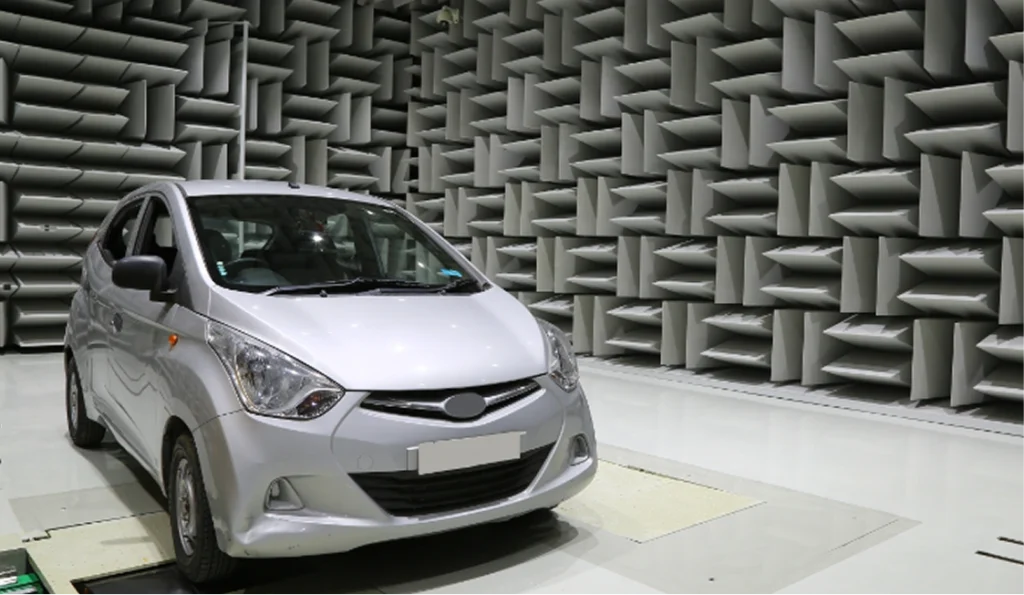
The Modal Analysis is a predictive Tool for vibration and structural Engineering. HASETRI’s ISO certified Semi Anechoic Chamber houses the facility to conduct Modal Analysis on structures and extract its Modal Parameters- Modal Frequencies, Damping and the Mode Shapes. Tyre Modal Analysis is conducted as per SAE Standard, and the modal frequencies for various directions estimated. The Experimental Mode shapes can be compared with the Finite Element model for the same tyre.


Chamber being mechanically and acoustically isolated from the surroundings makes the measurements reliable and repeatable.

Frequently Ask Questions

What is a tyre model and why is it important in vehicle dynamics?
A tyre model is a mathematical simulation tool that represents how a tire interacts with the road surface by calculating the forces and moments it generates. These models are crucial for analyzing vehicle dynamics, particularly during cornering, acceleration, and braking. Depending on the need, tyre models can range from simple data-driven versions to complex, physics-based ones that offer more accurate predictions of tire behavior.
Tyre models vary by approach and complexity: Empirical Models – built on test data (e.g., Pacejka’s Magic Formula) to predict tire forces and slip. Physically-Based Models – use physical principles (e.g., Brush, FTire, RMOD-K, Hankook) for realistic road interaction. Theoretically-Based Models – rely on mechanics (e.g., Fiala, FEM) for highly detailed structural simulations.
Tyre models rely on several key parameters to simulate tire behavior accurately: Slip Angle: The angle between the actual path of the tire and the direction it is pointing, crucial for understanding cornering behavior. Lateral Force: The sideways force generated by the tire during cornering, which affects vehicle stability and handling. Load Index: A numerical code indicating the maximum load a tire can support. Speed Rating: A classification that specifies the maximum speed at which a tire can safely operate.
Tyre models play a vital role in enhancing vehicle safety and performance. They are used in ADAS and autonomous driving systems to predict tire behavior and prevent accidents. In vehicle development, tyre models help optimize handling, braking, and overall performance. Additionally, by reducing reliance on physical testing, they lower development costs and shorten the design cycle.
Choosing the right tyre size is vital for safety and performance. Key factors include load ratio (weight support), tire width (stability and handling), and tire diameter (affects speedometer/odometer accuracy). The correct size ensures proper dynamics, accurate readings, and safe driving.