Hari Shankar Singhania
Elastomer And Tyre Research Institute

In-Cabin Noise

Professional NVH Testing for Indoor Noise, Vibration & Harshness

In-Cabin Noise is an important parameter regarding the comfort of Passengers and Driver. The noise and vibration experienced inside the cabin is dependent on tyre as well as the vehicle properties.


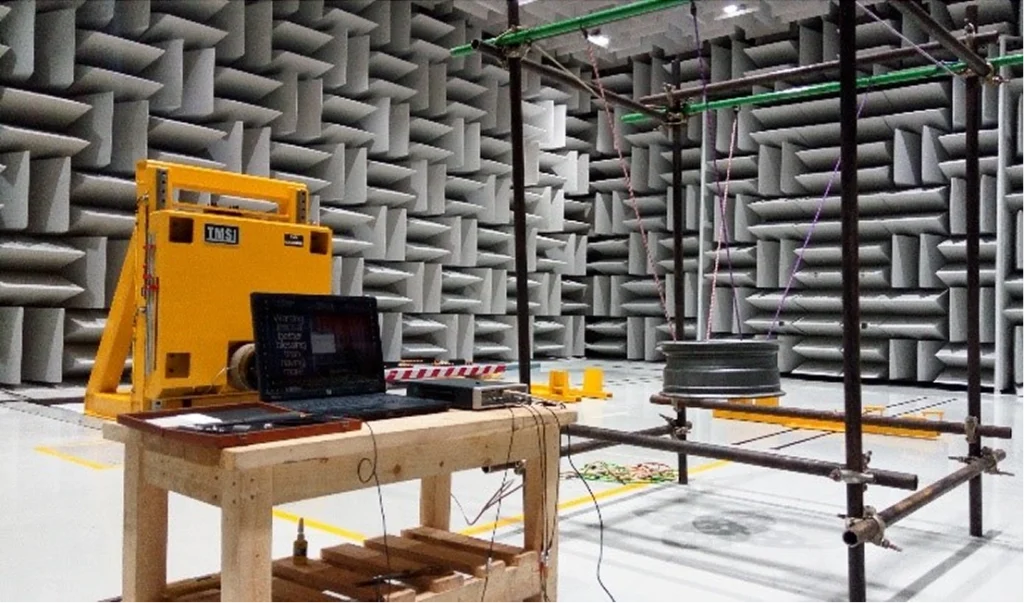
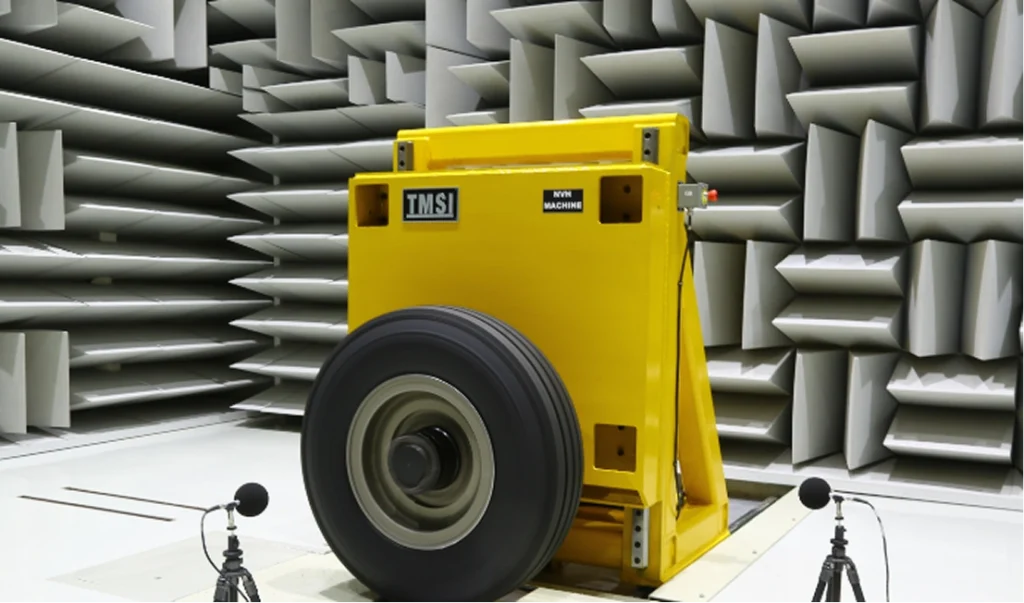
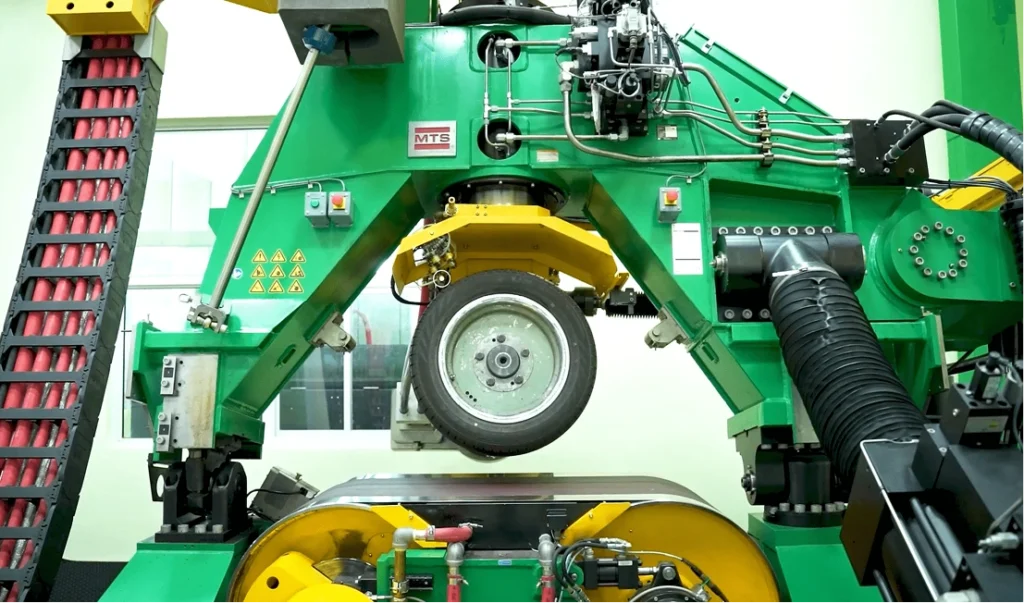
HASETRI’s ISO certified semi Anechoic chamber provides the ideal environment to measure the NVH properties inside the vehicle cabin. The chamber houses single drum (which is soon to be upgraded to two) on which the front/rear wheels shall be driven. This eliminates the need of engine drive thereby making Tyre- Road wheel interaction the major parameter influencing the in-cabin noise and vibrations. The in-cabin measurement can be done and studied for Benchmarking and Troubleshooting purposes.

The Chamber can house even a small Truck inside comfortably for measurements. Noise can be plotted as FFT or 1/3rd Octave Maps for analysis. The chamber, being acoustically and mechanically isolated from the surroundings ensures quality data and is repeatable due to controlled parameters inside the chamber.

Frequently Ask Questions

What is NVH and what do noise, vibration, and harshness mean in vehicles?
NVH (Noise, Vibration, Harshness) refers to vehicle comfort and performance: Noise: Sound from components like engines or exhaust; unwanted noise can be distracting. Vibration: Oscillations felt through the steering, seats, or chassis from engines, tires, or suspension. Harshness: Overall rough or uncomfortable ride sensation, influenced by suspension and road conditions.
NVH testing evaluates vehicle noise, vibration, and harshness. Vehicles, components, or subassemblies are exposed to vibrations across frequencies to identify issues like buzzes, squeaks, and rattles. Instruments such as microphones, accelerometers, and force gauges capture data, often in semi-anechoic chambers or on road simulators. Improvements focus on reducing noise at the source, blocking transmission paths, or absorbing energy, using techniques like modal analysis, transfer path analysis, and part substitution.
NVH testing evaluates vehicle comfort and performance through several methods. It captures noise and vibration using sensors, identifies natural frequencies via modal analysis, assesses sound quality beyond loudness, and performs specific tests like squeak and rattle, transfer path analysis, and road simulations. Physical testing is often combined with simulations, with advancements focusing on electric and hybrid vehicles using real-time data and advanced signal processing.
In-cabin noise analysis identifies and reduces unwanted sounds. It examines noise sources such as tires, engine, wind, and structural vibrations; uses microphones, accelerometers, and data acquisition systems for measurement; and applies signal processing like FFT and one-third octave band analysis. Noise paths are traced to understand transmission, while reduction strategies include sound absorption, insulation, damping, and vibration isolation. Acoustic modeling with BEM or FEM helps optimize control, contributing to overall NVH improvement and cabin comfort.
In-cabin noise analysis is crucial for vehicle quality. It enhances passenger comfort, reduces fatigue, and improves the driving experience; increases safety by minimizing distractions; ensures compliance with noise regulations; and helps vehicles stand out in the market with a quieter cabin.