Vehicle Dynamics Testing & Performance Evaluation Services at HASETRI
Vehicle dynamics refers to how a vehicle moves and responds to driver inputs and road conditions. It affects handling, stability, ride comfort, braking and safety. Because tyres are the only contact point between the vehicle and the road, therefore accurate vehicle dynamics testing is essential for both tyre manufacturers and automotive OEMs.
Vehicle dynamics testing helps measure forces, motion, vibration and stability under pre-defined conditions. This data is used to improve vehicle performance, validate tyre behaviour, and support regulatory and development requirements. It also helps engineers understand how tyres, suspension, and chassis systems interact during real driving conditions.
At HASETRI, vehicle dynamics testing supports tyre development, vehicle validation, and research programs. These tests help manufacturers and OEMs verify performance, reduce design risks, and improve overall vehicle behaviour.
Understanding More about Vehicle Dynamics Testing and Its Importance
Vehicle dynamics testing measures how a vehicle responds to steering, braking, acceleration, and road inputs. It helps engineers understand stability, grip, and ride behaviour.
The fundamentals of vehicle dynamics focus on how forces act on the vehicle. These include longitudinal forces during acceleration and braking, lateral forces during cornering, and vertical forces from road surfaces. When you measure these forces, it becomes easier to identify performance limits and improvement areas.
5 Ways Vehicle Dynamics Testing Improves Vehicle Performance:
- Improve vehicle stability and handling
- Validate tyre performance under real conditions
- Reduce noise, vibration, and harshness (NVH)
- Improve safety during braking and cornering
- Support vehicle design and development decisions
Without proper testing, it is difficult to predict how a vehicle will behave in different conditions.
Standard Vehicle Dynamics Testing Methods and Protocols
Vehicle dynamics testing follows defined procedures to ensure results are accurate and repeatable. These methods are used during tyre development, vehicle validation, and research work.
Vehicle dynamics testing follows defined procedures to ensure results are accurate and repeatable. These methods are used during tyre development, vehicle validation, and research work.
5 Primary Vehicle Dynamics Testing Methods Used by Our Engineers
- Force and moment measurement to evaluate tyre forces
- Steering response testing to measure handling behaviour
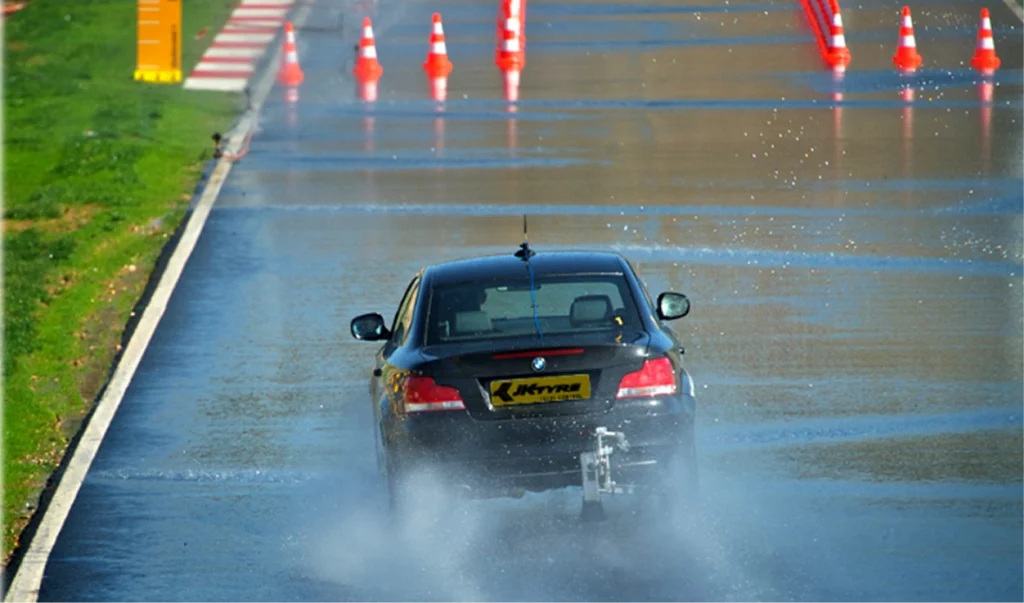
- Braking and acceleration testing to assess stability
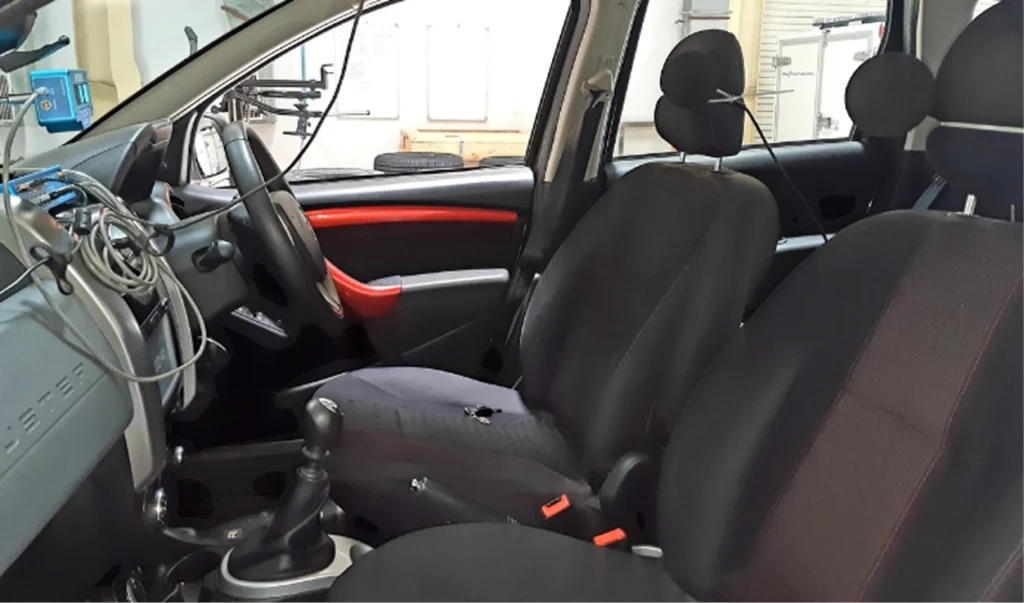
- Ride comfort and vibration measurement
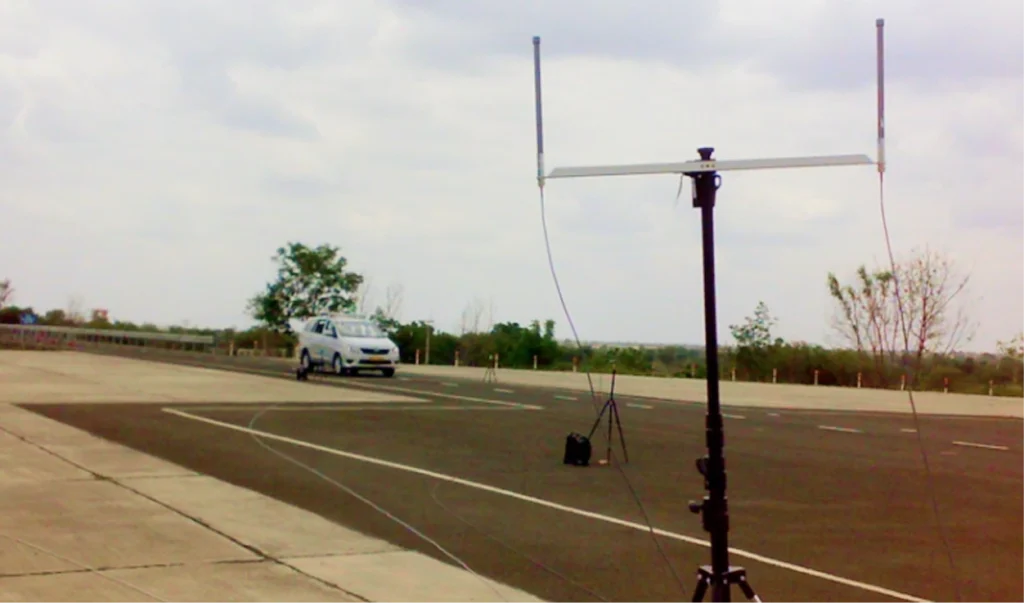
- Pass-by noise and NVH testing
These tests are performed using sensors, measurement systems, and controlled test environments. Results are analysed to understand vehicle behaviour and identify areas for improvement. This helps engineers predict performance before physical testing. Simulation and physical testing are often used together to improve accuracy and development speed.
Vehicle Dynamics Testing Equipment and Measurement Systems
Vehicle dynamics testing depends on accurate measurement systems. These systems record how the vehicle and tyres behave under different operating conditions.
Here Are the 5 Main Equipment Used in Vehicle Dynamics Testing:
- Force and moment sensors to measure tyre forces
- Accelerometers to measure vibration and motion
- Speed and position sensors to track vehicle movement
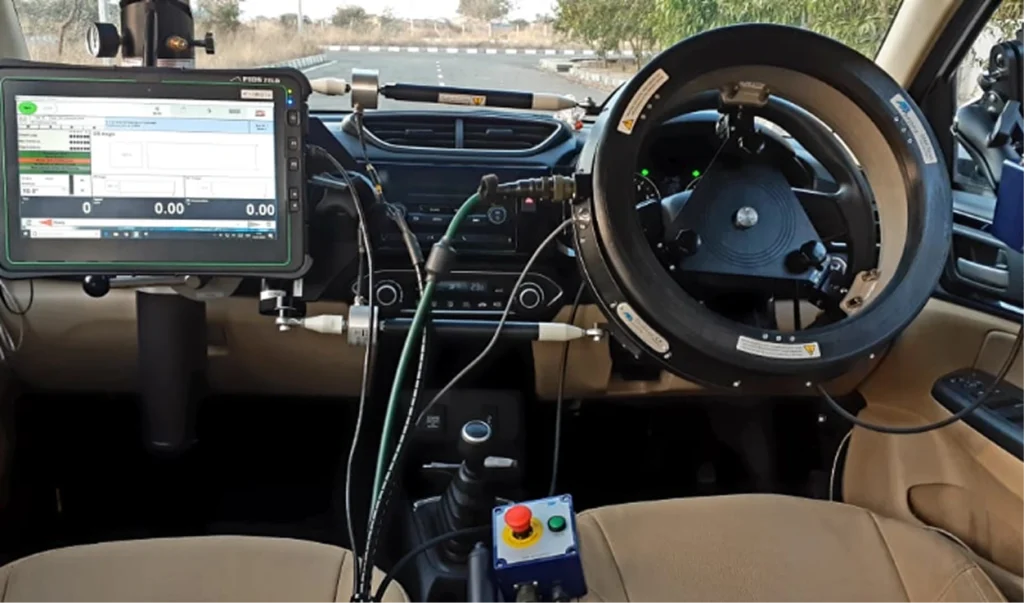
- Steering angle sensors to measure steering input
- Data acquisition systems to record and analyse results
For tyres, vehicle dynamics testing helps measure:
- Grip and traction performance
- Rolling resistance and efficiency
- Force and moment characteristics
- Noise and vibration behaviour
- Steering response and handling
For Suspension Systems:
- Ride comfort and stability
- Shock absorber and damping performance
- Load transfer behaviour
For Chassis Systems:
- Vehicle stability and control
- Steering response and handling
- Structural behaviour under load
These measurements help engineers optimise design and improve overall vehicle performance.
Applications of Vehicle Dynamics Testing Across Automotive Segments
Vehicle dynamics testing is used across different vehicle types and industries. Each segment has specific performance and safety requirements.
Passenger vehicles use vehicle dynamics testing to improve comfort, handling, and safety. Commercial vehicles rely on testing to ensure stability under heavy loads and for longer operating cycles.
Two-wheelers and off-highway vehicles also use vehicle dynamics testing to improve control and durability.
Vehicle dynamics testing is also used in research, product development, and regulatory validation. It helps ensure that vehicles and tyres meet performance expectations and safety requirements.
Role of Vehicle Dynamics Testing in Product Development and Validation
Vehicle dynamics testing is an important part of product development. It helps engineers confirm that tyres and vehicles perform as expected before production.
During development, testing helps identify issues early. Engineers can Optimise tyre design, suspension settings, or vehicle parameters based on test results. This improves performance and reduces the risk of failures after launch.
Vehicle dynamics testing also supports validation and certification. Many manufacturers must demonstrate that vehicles meet safety and performance requirements. Test data provides evidence that these requirements are met.
Testing also helps improve efficiency. For example, rolling resistance and force measurements help improve fuel efficiency and reduce energy loss.
Indoor and Outdoor Vehicle Dynamics Testing
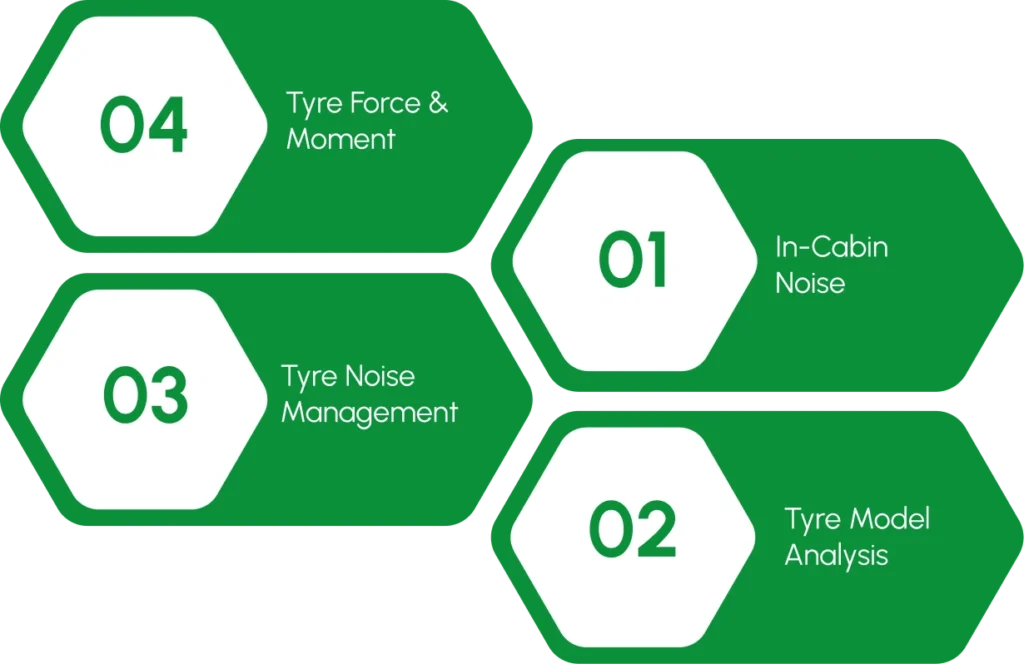
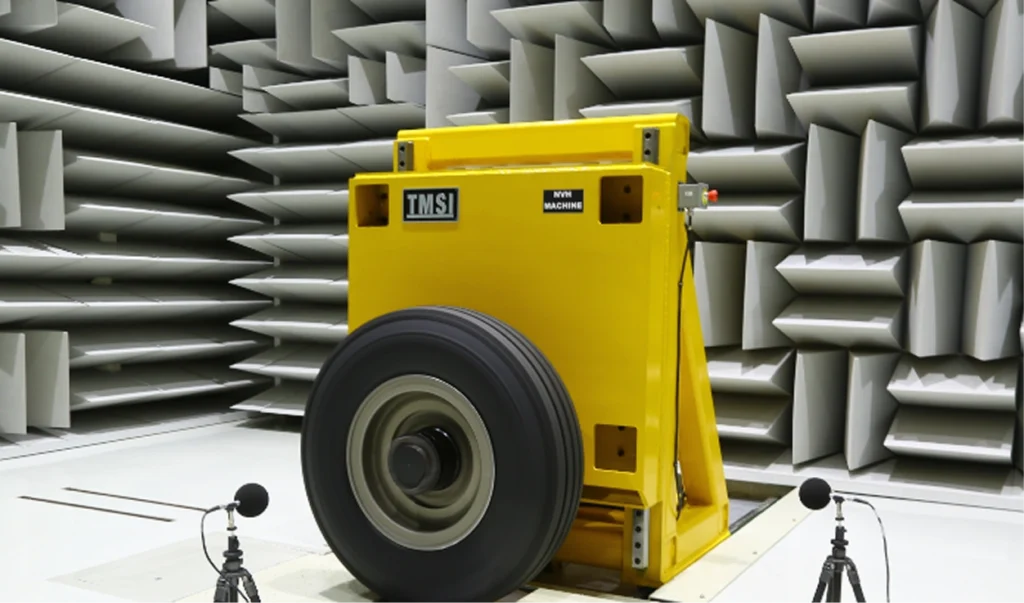
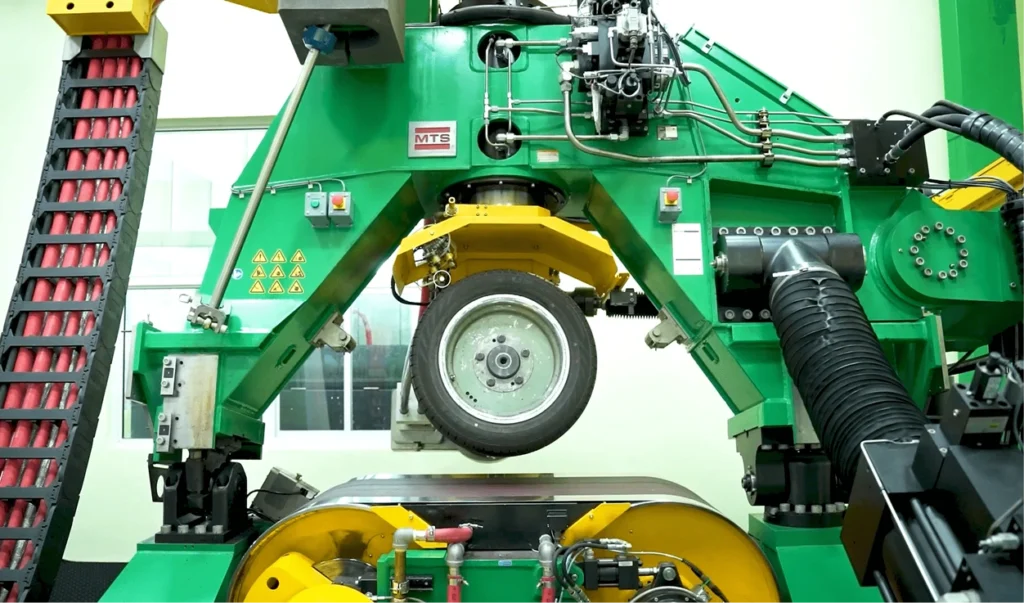
This group uses experimental methods to identify tyre noise, vibration, modal frequencies, forces and moments. It enables to attempt a wide range of automotive problems, viz. vehicle dynamics, identification of noise source. This group focuses on the following:
Indoor Testing:
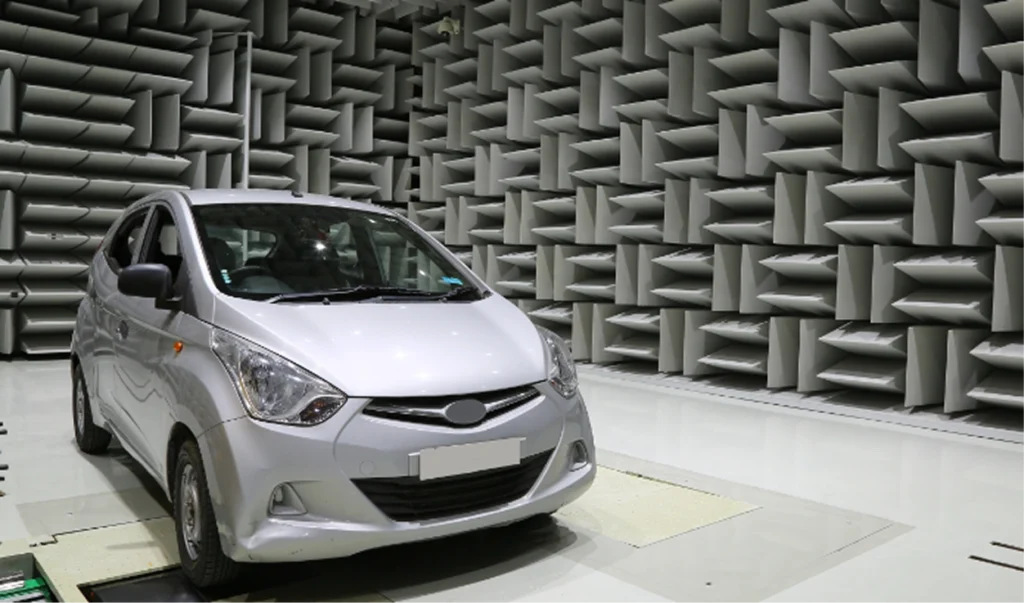
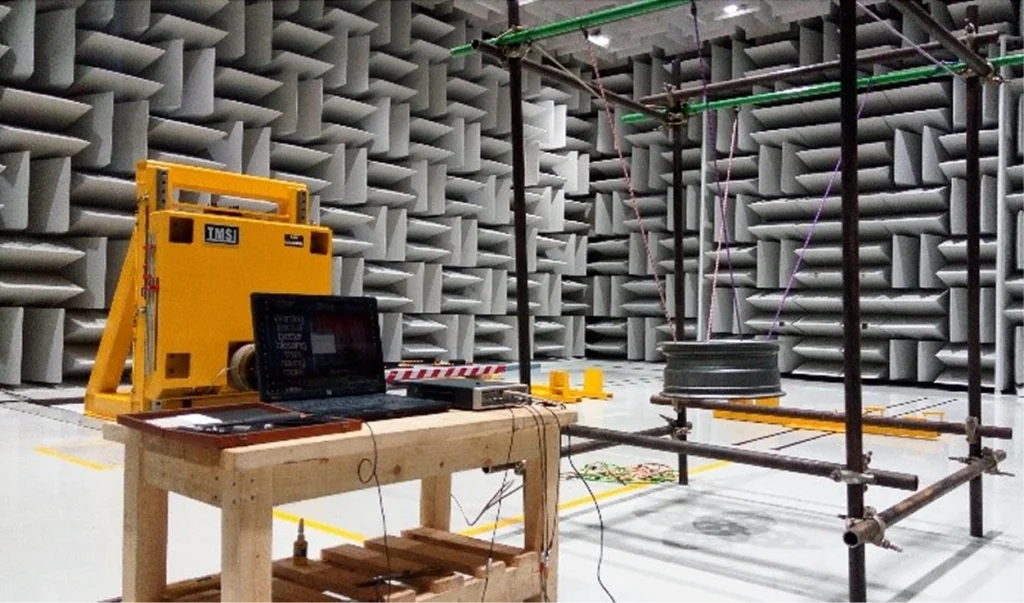
Indoor testing includes tyre modal analysis, force and moment characterization and measurement of radiating tyre noise using semi-anechoic chamber